If you are planning a fly-in safari, one piece of advice comes up again and again: leave the hard suitcase at home and pack a soft bag. It can feel like an odd rule until you see the aircraft that carry you into the bush. The way you pack genuinely affects whether your luggage fits on the plane — so it is worth getting right before you leave home.
This guide explains the soft-bag rule, the typical luggage allowance on bush flights, why those limits exist, and exactly what to pack so you travel light and arrive with everything you need.
Why Soft Bags Matter
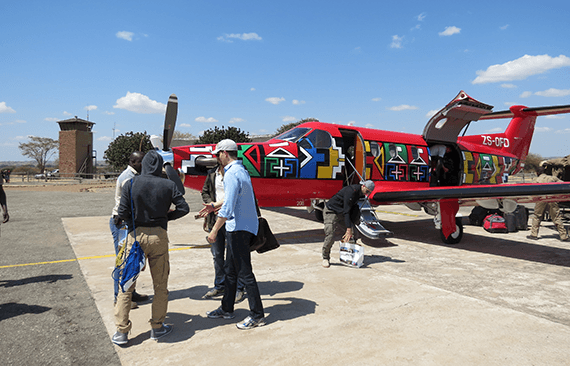
The aircraft that fly the bush legs of a safari — light singles and small twins like the Cessna Caravan — have small baggage holds. Those holds are often narrow and curved, following the shape of the fuselage rather than offering a neat rectangular space.
A soft duffel or holdall can be squeezed, shaped, and tucked into those awkward spaces. A rigid suitcase cannot: its frame holds a fixed shape, it will not compress, and more often than not it simply will not fit through the hatch or into the hold at all. Soft bags are not a preference — they are what lets the crew load your luggage safely and make full use of the limited room.
Typical Weight Limits
Luggage on a fly-in safari is usually around 15–20 kg per person including hand luggage, depending on the aircraft. That is enough for everything you need on safari, provided you pack thoughtfully.
The important word there is depending. The exact figure is set by the aircraft flying your particular route, how many passengers are on board, and the conditions on the day. There is no single universal number, so please confirm your allowance at the time of booking rather than assuming — we will tell you the precise limit for your flight so there are no surprises at the airstrip.
Why the Limits Exist
The limits are not arbitrary. Small aircraft are sensitive to weight and balance: every kilogram, and where it sits in the aircraft, affects how the plane handles and how much fuel it needs. The crew calculate this carefully before every flight, and luggage is part of that sum.
Many bush destinations also use short, unsealed runways at high altitude or in hot conditions, where an aircraft needs to be kept within strict weight margins to take off and land safely. The allowance you are given is a safety figure, not a guideline — which is why it is firm, and why it is worth respecting.
What to Pack
To stay within the allowance without leaving anything important behind:
- A soft duffel or holdall — the one non-negotiable. Choose a bag with no rigid frame so it packs down small once empty.
- Layers, not bulk — bush mornings and evenings are cold and middays are warm. A few light layers cover the range far better than heavy items.
- Neutral colours — khaki, olive, and beige are ideal on game drives. Avoid bright colours and, in some areas, dark blue and black.
- Essentials in your hand luggage — keep medication, documents, sunglasses, and a change of clothes with you, just in case.
- Camera gear in a padded soft bag — remember it counts towards your weight allowance, so be realistic about lenses.
Many lodges offer a same-day laundry service, which means you can pack for a few days rather than the whole trip and still wear something clean each day.
What If You Have Excess or Hard Luggage
It is common to arrive in South Africa with more than you need in the bush — a hard case from your international flight, city clothes, or items for the start and end of your trip. You do not have to choose between leaving them behind and squeezing them onto a bush flight.
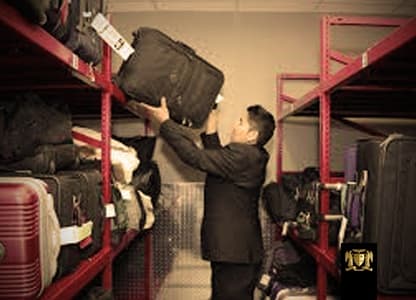
We can advise on the best way to handle excess or hard luggage, and through our baggage storage service we can store the extra items securely at Lanseria while you are in the bush, ready and waiting for you on your return. You fly in with just your soft bag and travel light.
Tips From Our Team
- Weigh your bag at home. A luggage scale is cheap and saves any awkwardness at the airstrip.
- Roll, do not fold. Rolling clothes saves space and helps a soft bag keep its packable shape.
- Tell us about special items. Bulky camera kit, golf clubs, or medical equipment may affect the aircraft choice — flag it at booking.
- Wear your heaviest items. Boots and a jacket on the day of travel free up weight in the bag.
- When in doubt, ask. We would rather confirm your allowance before you pack than reshuffle luggage on departure day.
Frequently Asked Questions
What is the luggage limit on a fly-in safari?
It is usually around 15–20 kg per person including hand luggage, depending on the aircraft. The exact figure varies with the type of aircraft flying your route and the number of passengers on board, so always confirm the allowance for your specific flight at the time of booking.
Why must I use a soft bag on a bush flight?
Light aircraft have small baggage holds that are often narrow and curved to follow the shape of the fuselage. A soft duffel or holdall can be squeezed and shaped to fit those spaces, whereas a rigid suitcase with a fixed frame cannot. Soft bags let the crew load the aircraft safely and make the most of the limited space.
Can I bring a hard suitcase on a fly-in safari?
It is best avoided. Rigid suitcases frequently do not fit the baggage holds of smaller aircraft, and the frame cannot be compressed to make room. If you arrive with hard luggage we can advise on the options, but a soft bag is always the safer choice for the bush legs of your trip.
What about camera equipment on a bush flight?
Cameras, lenses, and binoculars are part of the safari, and they count towards your overall allowance. Pack delicate gear in a soft padded camera bag that fits within your weight limit and keep it as hand luggage where possible. If you are travelling with a lot of equipment, mention it at booking so we can factor it into the aircraft choice.
Where can I leave extra luggage while I am in the bush?
If you have luggage that exceeds the bush-flight allowance — city clothes, hard cases, or items you simply will not need on safari — we can arrange to store it at Lanseria while you are away, ready for you on your return. See our baggage storage service for details.