There is no single “best” month for a Southern African safari — there is the best month for you. The trick is to understand the two seasons that shape the bush, and then match them to what you most want from your trip: dramatic game viewing, glorious scenery, world-class birding, the lowest rates, or the quietest camps.
Because Southern Africa sits in the Southern Hemisphere, the seasons run opposite to Europe and North America. Winter (roughly May to October) is dry; summer (roughly November to April) is wet. This guide walks you through both, month by month, and shows how the timing plays out across the region's top reserves.
Dry Season vs Green Season: The Core Trade-Off
Almost every decision about when to travel comes down to one trade-off. The dry season gives you the easiest, most reliable game viewing of the year. The green season gives you a lusher, more photogenic, livelier bush at better value and with fewer people — in exchange for heat, afternoon rain, and wildlife that can be harder to find in thicker cover.
Neither is “better”. First-time safari-goers chasing the Big 5 usually lean dry season; photographers, birders, and returning travellers often fall in love with the green. Below, each one in detail.
The Dry Season (May–October): Best Game Viewing
This is the classic safari window. As the rains stop and the bush dries out, the vegetation thins and surface water disappears. Animals are forced to congregate around the few remaining rivers and waterholes, which makes them far easier to find — and to watch — than at any other time of year.
- Sparse vegetation — thinner bush means clearer sightlines and animals you might otherwise miss.
- Animals concentrate at water — predictable gatherings at waterholes make for reliable, often spectacular sightings.
- Cooler, drier weather — comfortable days and crisp mornings, with little to no rain.
- Lower malaria risk — mosquito numbers fall in the cool, dry months, easing one of the bigger concerns for many travellers.
The absolute peak runs from July to September. It is also the busiest and priciest stretch, so book well ahead if those months suit you.
The Green / Emerald Season (November–April): Lush and Dramatic
When the summer rains arrive, the bush transforms. The dust gives way to vivid green, towering thunderclouds build over the plains, and the whole landscape comes alive. It is the most beautiful time to photograph the African bush.
- Lush scenery and dramatic skies — rich colour, big light, and storm-charged sunsets.
- Newborn animals — impala, wildebeest, zebra and others time their calving to the rains, which in turn draws predators.
- Excellent birding — resident birds are in full breeding plumage and at their most vocal.
- Migrant birds arrive — summer migrants swell the species count, a highlight for keen birders.
- Lower rates and fewer crowds — many camps reduce their tariffs, and the reserves are noticeably quieter.
The trade-offs are heat and rain. Days are hotter and more humid, and you can expect short, sharp afternoon thunderstorms — though these rarely interrupt the prime morning and evening game drives. Game can be harder to spot in the thick grass, but for many travellers the atmosphere, the value, and the birding more than compensate.
Month-by-Month at a Glance
- January–February — Peak green season. Hot, humid, lush, superb birding and newborn animals; quiet camps and good value.
- March–April — The rains ease and the bush is still green but starting to thin. A lovely shoulder period with mild weather and fewer visitors.
- May–June — The dry season opens. Vegetation thins, mornings turn crisp, and game viewing steadily improves. Excellent value before the peak.
- July–September — Prime time. The driest, coolest stretch with the best, most concentrated game viewing — and the busiest, priciest camps.
- October — The hottest of the dry months and arguably the very best for predator action at shrinking waterholes, just before the rains break.
- November–December — The first rains arrive and the bush greens up. The green season begins, with migrant birds returning and rates softening.
By Destination
The broad pattern holds across the region, but each reserve has its own character through the year.
- The Kruger region — Kruger National Park and its private reserves deliver year-round, but the dry winter (May–October) is the standout for Big 5 sightings.
- Botswana & Mashatu — Mashatu in the Tuli Block is famous for its elephants and predators; the dry season concentrates game beautifully, while the green season brings dramatic skies and birding.
- Malaria-free options — Madikwe and the Waterberg offer Big 5 and excellent game viewing without the malaria question, which makes them strong choices in any season — especially for families.
A Note on Malaria and Family Timing
Mosquito activity rises in the warm, wet summer months and falls in the cool, dry winter, so the dry season is generally the lower-risk window in malaria areas. For families travelling with young children — or anyone who would rather skip antimalarials altogether — the simplest answer is to choose a malaria-free reserve, which removes the seasonal concern entirely. We cover the best of these in our guide to malaria-free safari destinations in South Africa.
Getting There
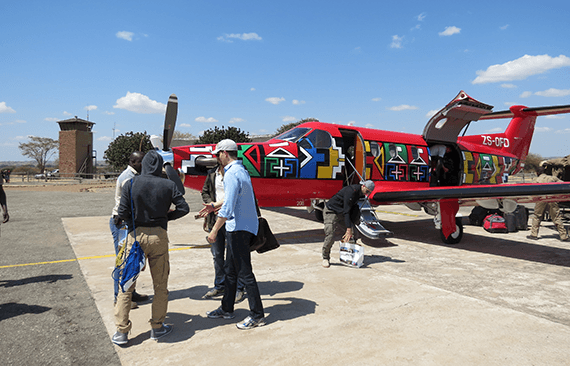
Whichever month you choose, getting to camp is a short charter hop — and one we can arrange year-round. Charter is private and on demand, so the season never dictates your travel the way a scheduled timetable would. A charter takes you direct to your lodge's airstrip, skipping the long road transfers and connecting waits, in every month of the year.
Request a charter quote for your dates and we'll price the options across our operator network.
Frequently Asked Questions
When is the best time for game viewing on safari in South Africa?
The dry winter months of May to October are widely considered the best for game viewing, with the peak from July to September. Sparse vegetation and scarce water draw animals to rivers and waterholes, so wildlife is easier to spot and concentrated in predictable places. The cooler, malaria-low conditions are an added bonus.
What is the green season on safari?
The green (or emerald) season runs from roughly November to April — Southern Africa’s summer rains. The bush turns lush, dramatic skies build over the plains, newborn animals appear, and resident and migrant birds are at their most active. It is hotter with afternoon thunderstorms, but rates are often lower and the reserves are far quieter.
Is it worth going on safari in the rainy season?
Yes, for the right traveller. The green season rewards you with photogenic scenery, prolific birdlife, newborn wildlife, fewer vehicles, and better value. Rain typically comes as short afternoon storms rather than all-day downpours, so morning and evening game drives usually run as normal. Game can be harder to spot in thick vegetation, but the atmosphere and the savings are real.
When is the best time to go on safari with children?
The dry season (May to October) suits families: it is cooler, mosquitoes are fewer, and concentrated wildlife means more sightings and shorter, more rewarding drives. For complete peace of mind, pair that timing with a malaria-free reserve such as Madikwe or the Waterberg so the whole family can travel without antimalarials.
Does the safari season affect charter flights?
No — charter flights run year-round. Charter is private and on demand, so weather and season do not dictate when you can travel the way a scheduled timetable might. Whatever month you choose, we can arrange a direct charter hop to your camp’s airstrip. Request a quote for your dates and we will price it across our operator network.