Mashatu Game Reserve occupies 42,000 hectares of privately owned land at the confluence of the Limpopo and Shashe rivers in Botswana's Northern Tuli Game Reserve. Known as the “Land of Giants” for its enormous elephant herds, towering baobab trees, and dramatic sandstone formations, Mashatu is one of Southern Africa's most distinctive and rewarding safari destinations.
Why Mashatu Is Called the Land of Giants
The name is not just marketing. Mashatu is home to the largest breeding herds of elephants on private land in Africa — herds of 50 or more are a regular sight, moving across the open plains and along the riverbed corridors. The ancient baobab trees that dot the landscape are among the oldest living things on the planet, with some estimated at over 1,000 years old. And the sandstone ridges and rock formations create a geological backdrop that feels prehistoric — which it is. Fossilised dinosaur footprints have been discovered within the reserve.
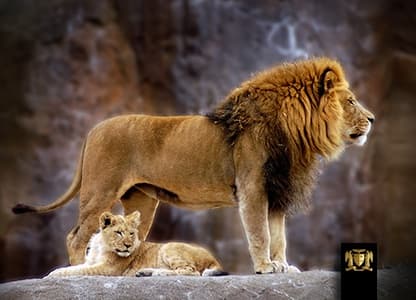
Beyond elephants, the reserve supports lion, leopard, cheetah, hyena, wild dog (seasonally), and a remarkable diversity of plains game. Over 350 bird species have been recorded, making it a significant birding destination in its own right.
The Lodges
Mashatu offers a range of accommodation options to suit different budgets and travel styles:
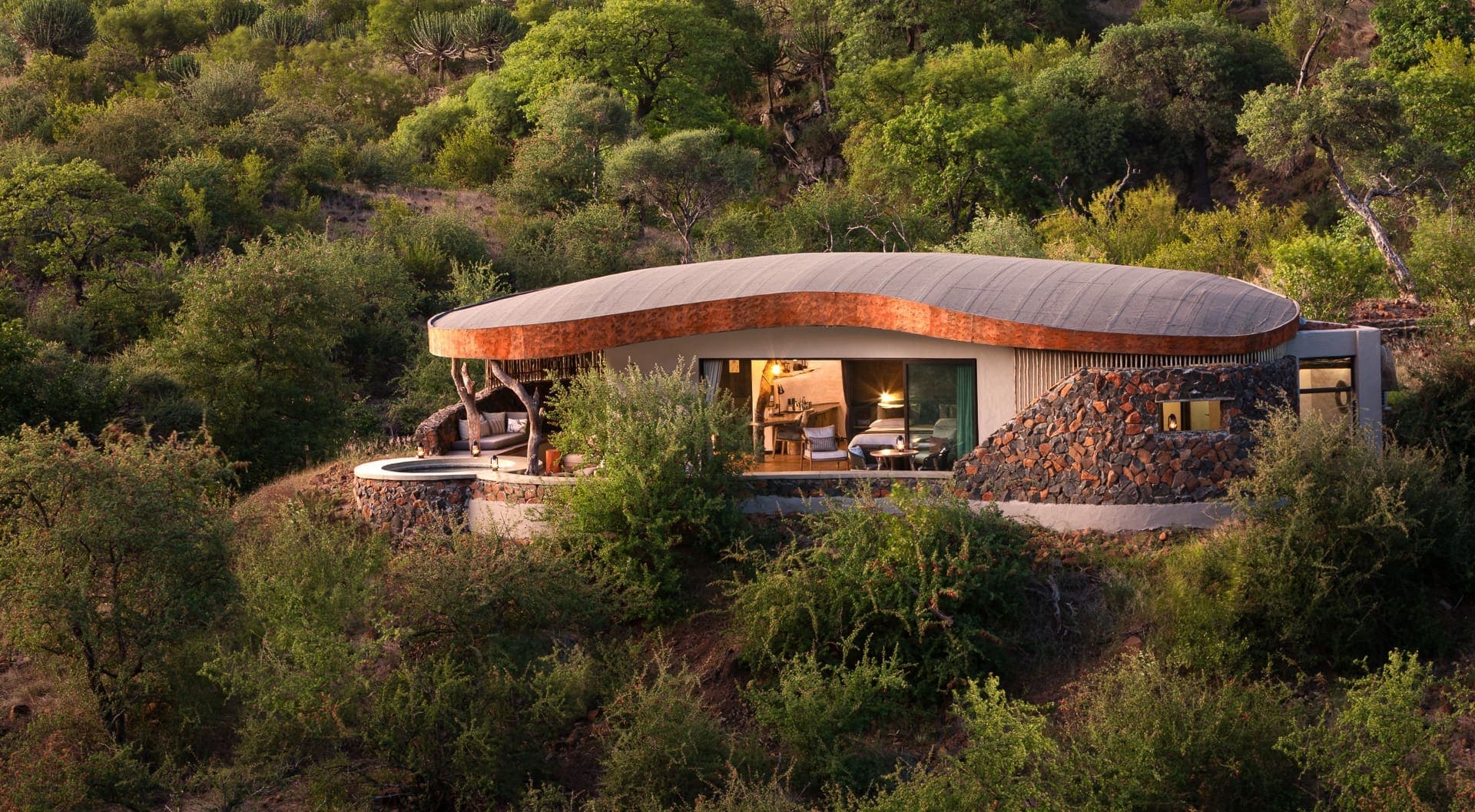
- Euphorbia Mashatu — The flagship property, featuring luxury villas with private pools, air-conditioning, and panoramic views. This is Mashatu at its most refined.
- Mashatu Lodge — The original lodge, with family-friendly suites arranged around a central waterhole. A welcoming, established property with excellent guiding.
- Mashatu Tent Camp — A semi-permanent tented camp for guests who want a closer-to-nature experience without sacrificing comfort. En-suite tents with outdoor showers and a communal boma.
- Kolokolo and Shalimpo — Exclusive-use safari homes ideal for families or small groups who want the reserve to themselves.
Getting to Mashatu by Charter Flight
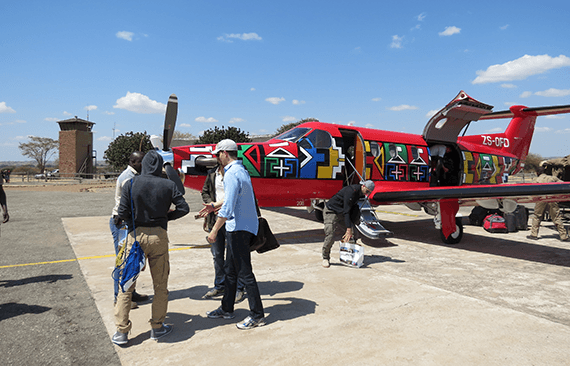
Angel Gabriel Aeronautics flies directly to Limpopo Valley Airfield inside the reserve. The flight from Johannesburg takes approximately 1.5 hours, and customs and immigration are handled on arrival at the airfield — no queuing at a border post, no unfamiliar roads, and no wasted time.
The alternative is a 5–6 hour drive from Johannesburg, including a border crossing at Pont Drift that can be slow during peak periods. For travellers with limited time, the charter flight is a clear winner — you arrive in time for your afternoon game drive rather than spending half the day in transit.
The flight itself is part of the experience. As you cross the Limpopo River valley, the landscape shifts from South African farmland to the dramatic Tuli bushveld. Many guests spot elephant herds from the air before they even land.
Read our full Mashatu destination guide, browse our available fleet, or request a personalised quote.
Safari Experiences at Mashatu
Mashatu's guiding team is among the best in the Tuli Block, and the range of activities goes well beyond standard game drives:
- Game drives — Morning and afternoon drives in open Land Cruisers. Off-road driving is permitted, allowing trackers to follow animal movements into the bush rather than staying on established roads.
- Walking safaris — Guided walks with armed rangers through the sandstone gorges and along the Limpopo riverbed. A completely different sensory experience from a vehicle-based safari.
- Mountain biking safaris — A unique Mashatu offering. Cycle through the bush on fat-tyre bikes, with a guide and backup vehicle. An exhilarating way to cover ground.
- Photographic hides — Ground-level hides at waterholes and along game trails. The low angle and proximity to wildlife produce images that telephoto lenses from a vehicle simply cannot match.
- Sleep-out decks — Spend a night on an elevated platform under the stars, surrounded by the sounds of the bush. Not for the faint-hearted, and utterly unforgettable.
- Horse-riding safaris — Explore the reserve on horseback for a perspective that has been the African way for centuries. Available for experienced riders.
Best Time to Visit Mashatu
The dry season (May to October) is peak safari time. Elephants concentrate along the river systems, vegetation thins out for better visibility, and the mild temperatures make for comfortable game viewing. The wet season (November to April) transforms the landscape into lush green, with migratory birds, dramatic thunderstorms, and excellent photographic conditions. Mashatu is less seasonal than many reserves — game viewing is good year-round thanks to the permanent water of the Limpopo and Shashe rivers.
Combining Mashatu with Other Destinations
Mashatu pairs naturally with Lubbesrust Farm, also in the Tuli Block, for a deeper Botswana experience. Alternatively, combine it with South African reserves like the Sabi Sands or Kruger National Park for a contrasting landscape and wildlife experience, connected by short charter flights. Our safari packages and flying safaris make multi-destination itineraries seamless.
Frequently Asked Questions
How long is the flight from Johannesburg to Mashatu?
Approximately 1.5 hours by charter flight, landing directly at Limpopo Valley Airfield inside the reserve.
Do I need to go through a border post?
No. When flying by charter, customs and immigration are handled at the airfield on arrival. There is no need to queue at a road border crossing.
Is Mashatu a Big 5 reserve?
Mashatu has elephant, lion, leopard, and buffalo. Rhino sightings are less common but the reserve's elephant herds are among the largest on private land in Africa.
What is the best time of year to visit?
The dry season (May to October) offers the best general game viewing, but Mashatu is a year-round destination with good wildlife sightings in every season.